South Sudan election delay: vote moved to February 11, 2027
In the latest South Sudan election delay, the first vote since independence moves from Dec 22 to Feb 11, 2027, as UN experts warn safeguards are missing.
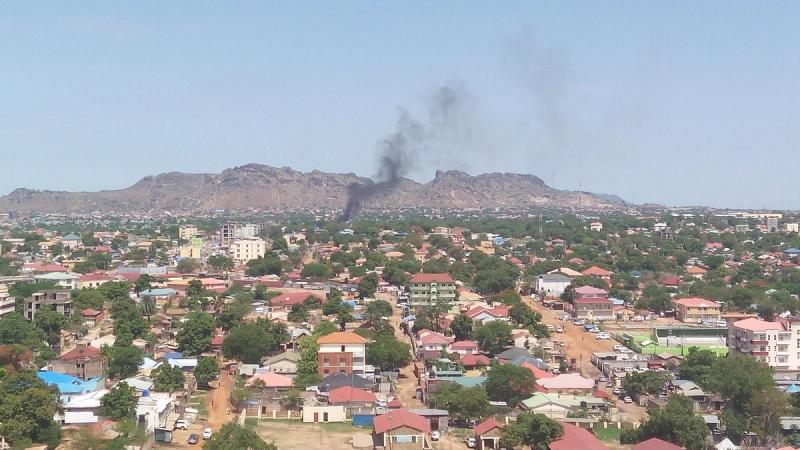
In the latest South Sudan election delay, the National Elections Commission on Saturday, November 14, moved the country's presidential and parliamentary elections from December 22 to February 11, 2027, postponing again a vote that would be the first since the country gained independence in 2011.
Commission spokesperson Josephine Achiro Fortelo confirmed the new date to Reuters, saying the timeline was set "after a thorough consultation with the stakeholders". The commission said the postponement gives more time for preparations, including distributing voter registration materials, setting up registration centres, registering voters and handling logistics.
Under the revised timetable reported by Anadolu Agency, voter registration runs from November 14 to 28, and final results are due to be declared on February 15. The commission's chairman, Gabriel Bol Deng, had said the day before that registration would take place at 3,161 centres across 10 states and three administrative areas, and that 22,127 staff had been recruited and trained.
South Sudan has been formally at peace since a 2018 agreement ended a five-year civil war in which hundreds of thousands of people were killed, though violence between rival communities still flares frequently. In September, the UN Commission on Human Rights in South Sudan said the country lacked the safeguards and conditions needed for peaceful and credible elections.
What are the key dates in the new timetable?
Anadolu Agency reported these main steps in the revised calendar:
- November 14-28: nationwide voter registration, with a provisional register published on November 29.
- November 30 to December 6: objections to the register, followed by corrections from December 7 to 13.
- December 14-20: candidate nominations, with the list of nominees published on December 21.
- January 9: final voter register; January 18-21: final list of candidates.
- February 11: polling day, with final results declared on February 15 and published on February 16.
- February 17 to July 15: a 148-day period for resolving election disputes.
Applicants need a national ID card, a passport or another official document proving identity and age. People without documents can register using special forms completed with help from traditional leaders. The commission said materials had reached state capitals but had not yet been sent on to the centres.
How did we get here?
This is not the first postponement. In September 2024 the presidency pushed back elections planned for that December to December 22, 2026, and extended the transitional period by two years, saying it needed "additional time to complete essential tasks" before the polls, Reuters reported.
Nicholas Haysom, then head of the UN mission in South Sudan, told the Security Council that delay was "a regrettable development" and noted it was the fourth extension of a transitional period that now runs to February 2027, according to UN News.
The transitional government is shared by old rivals: President Salva Kiir Mayardit, a Dinka, the largest ethnic group, and Riek Machar, a Nuer, the second largest. The two led the rebel movement that won independence from Sudan, and their forces later fought each other in the civil war.
Machar's trial and the political crisis
Machar, the first vice president, was placed under house arrest in March 2025, and Kiir suspended him from office that September. His trial before a special court in Juba began on September 22, 2025, alongside seven co-accused, on charges including treason, murder, terrorism and crimes against humanity over an attack on a government garrison, the Associated Press reported.
His lawyers say the court lacks jurisdiction and that prosecuting him undermines the 2018 deal, which ended a war the AP says killed an estimated 400,000 people. The UN rights commission has called for detained opposition leaders, including Machar, to be released unless they are promptly brought before an independent and impartial court.
Why does the South Sudan election delay matter?
In an August 2026 advisory titled "At the Brink", the commission warned that elections held without a strategy for democratic consolidation could fuel renewed conflict and raise the risk of atrocity crimes. Its chair, Yasmin Sooka, said people deserve "an election that gives them a voice" rather than one that endangers them. Conditions it listed include:
- a genuine, monitored cessation of hostilities;
- unified national security forces under non-partisan command;
- restored civic and political space, with equal participation for all parties;
- independent electoral institutions and impartial dispute resolution;
- measures against hate speech and incitement.
The commission said 46.4 percent of the revitalised peace agreement's provisions remain outstanding, according to the government's own latest assessment. Commissioner Barney Afako said "the guns are returning" while the safeguards for peaceful competition disappear.
Key numbers: a country under strain
- More than 10 million people need humanitarian aid in 2026, according to the response plan presented by the UN humanitarian office on January 13, Radio Tamazuj reported.
- About 7.5 million could face acute food insecurity, including at least 28,000 in catastrophic conditions.
- The 2026 plan seeks more than $1 billion.
- More than 830,000 refugees and returnees arrived from Sudan between the start of its war in April 2023 and November 2024, according to the UN.
UN humanitarian coordinator Anita Kiki Gbeho has blamed rising needs on conflict, economic hardship, climate shocks and spillover from Sudan's war. The figures come as UN appeals compete across several crises, from winter aid for Gaza onwards, and as COP31 climate talks split over fossil fuels while South Sudan faces floods every year.
What is not yet clear
The detailed timetable was reported by Anadolu Agency alone, which said it gives no reason for the delay; Reuters reported that the commission cited the need for more time to prepare.
It is also unclear how the new date fits with the end of the extended transitional period, which the UN said in 2024 runs to February 2027, while election disputes may be heard until July. Nor is it known whether registration will finish on time, or when Machar's trial will end.
Photo: Rigan123 / Wikimedia Commons, licence CC BY-SA 4.0.
Sources
- Reuters, via WSAU News agency
- Anadolu Agency, via TRT World News agency
- UN Commission on Human Rights in South Sudan (OHCHR release via APO/Zawya): At the Brink advisory Official or original
- Reuters, via The Star (2024): South Sudan postpones election by two years News agency
- UN News (2024): postponing long-awaited elections 'a regrettable development' Official or original
- Associated Press, via Arab News Pakistan (2025): Machar trial begins News agency
- Radio Tamazuj: UN unveils 2026 South Sudan humanitarian response plan News outlet
Also available inالعربية