EU-Syria talks: where do refugee returns fit in?
EU ministers backed moving ahead with an association agreement with Syria on 16 November 2026, as refugee returns rise up the agenda of the talks.
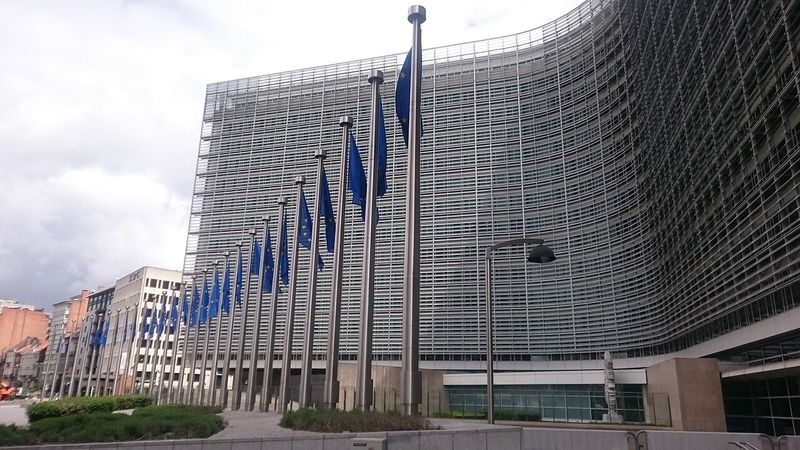
European Union foreign ministers agreed on 16 November 2026 to move ahead with an EU-Syria Association Agreement, and a week of meetings in Damascus and Brussels followed, according to the EU’s diplomatic service and Syrian state media. The return of Syrian refugees is part of the agenda, and the EU says the reintegration of those who go back remains a challenge.
Key points
- Ministers supported preparing the 2008 association agreement for signature and seeking a mandate for a modernised deal, with “clear conditionality regarding human rights”.
- EU Commissioner Dubravka Šuica and Syrian Foreign Minister Asaad al-Shaibani opened a partnership forum in Damascus on 17 November.
- UNHCR counted 1,795,641 refugees returned to Syria from abroad and over 2 million internally displaced people back home between December 2024 and 3 September 2026.
What did EU ministers agree?
At the Foreign Affairs Council on 16 November, ministers “supported moving ahead with the EU-Syria Association Agreement”, the text negotiated in 2008, to “prepare this agreement for signature”, the EU’s High Representative Kaja Kallas said, according to the European External Action Service. The EU will also seek a mandate for a modernised agreement. Member states asked for human-rights conditions and for Syria not to recognise the Ukrainian and Georgian regions that the Assad government had recognised. The EU lifted economic sanctions on Syria in 2025 and announced a €620 million two-year package in January 2026, Al Jazeera reports, citing AFP and Reuters.
What happened in Damascus and Brussels?
On 17 November Šuica and al-Shaibani opened the Syria Partnership Coordination Forum in Damascus, where a technical assistance centre was launched and a further dialogue was set for December, Eunews reports. On 21 November Syrian foreign ministry official Sally Shobat met Jonas Jonsson of the EU’s External Action Service in Brussels to discuss “lifting the remaining European sanctions” and the next steps on the agreement, according to the state news agency SANA; no EU account of that meeting was found.
Where do refugee returns fit in?
On 6 November a Syrian foreign ministry delegation met European Commission officials in Brussels, where the migration department discussed a phased approach: internally displaced Syrians first, then voluntary returns of refugees from abroad, SANA reports. The same day, Syrian and French officials agreed in Paris that returns “should be voluntary and based on individual decisions”, Rudaw reports. At the 16 November press conference Kallas said that “the reintegration of refugees remain challenging”.
How many Syrians have gone home?
UNHCR figures to 3 September 2026, reported by Ahram Online, show 1,795,641 refugees returned from abroad since December 2024, mostly from Lebanon (718,611), Türkiye (704,378) and Jordan (296,156), and 2,009,506 internally displaced people returned to their home areas. Al Jazeera puts the number who came back from abroad at more than one million, out of about 6.8 million who fled. Some EU states are pushing for returns: Austria carried out the EU’s first deportation directly to Damascus in July 2025, Rudaw notes.
Read also: Five EU states announce plan for Rwanda migrant hub
Sources
- EEAS: Kaja Kallas press conference, 16 Nov Official or original
- Eunews News outlet
- SANA (Syrian state news agency), 6 Nov News agency
- SANA (Syrian state news agency), 21 Nov News agency
- Ahram Online (UNHCR figures) News outlet
- Rudaw News outlet
- Al Jazeera with AFP and Reuters (via Yahoo News) News outlet
Also available inالعربية