NSW group calls Mount Pleasant coal bill a corruption risk
The Nature Conservation Council says clause 17 of NSW’s Mount Pleasant Mine Bill gives the minister sweeping power; the government cites 400 jobs.
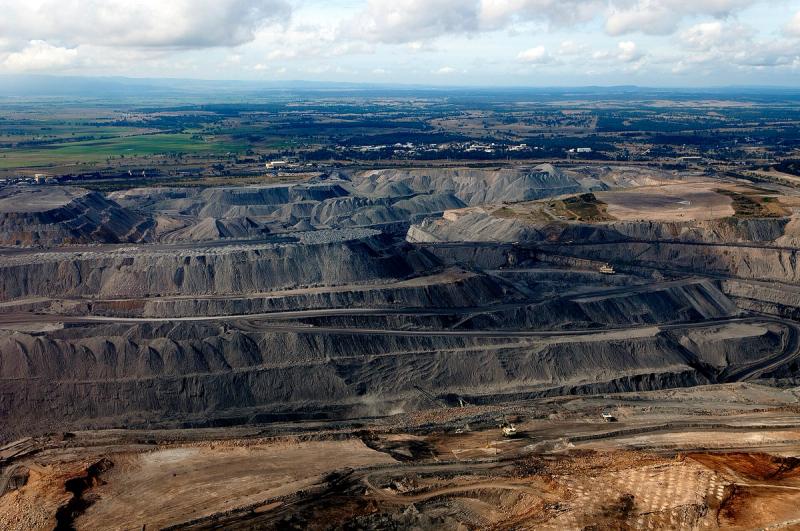
The Nature Conservation Council of NSW said on 16 November 2026 that the state government’s Mount Pleasant Mine Bill poses a “major corruption risk” because clause 17 would let the Resources Minister override other laws for a single coal mine. The bill, introduced to the Legislative Assembly on 10 November, would let MACH Energy’s Hunter Valley mine produce up to 16.5 million tonnes a year until 2032; the government says it protects about 400 jobs.
Key points
- Council chief executive Jacqui Mumford calls clause 17 a “Henry VIII clause” that would let the minister override all other laws for the mine, for example extending it indefinitely without public consultation or assessment; the council says the bill should be rejected and will be debated this week.
- The government said on 19 October that the one-off bill would authorise 16.5 million tonnes a year until 2032, require MACH to sign a jobs guarantee for its permanent workforce and add conditions to limit scope 3 emissions; the mine is currently permitted 12.5 million tonnes a year.
- The High Court dismissed MACH’s appeal 3–2 on 7 October, leaving the 2022 expansion approval invalid; the Environmental Defenders Office and a community group also oppose the bill.
What would the bill do?
According to Medianet’s account of the 19 October announcement, the government would legislate to let Mount Pleasant produce up to 16.5 million tonnes a year until 2032, with a jobs guarantee and extra scope 3 conditions, and it describes the measure as a one-off for this mine. The mine is permitted 12.5 million tonnes a year under a modification approved on 14 August 2026, up from 10.5 million under its original consent. The government said the plan protects 400 jobs, and its release also refers to 826 permanent workers and contractors; the Mining and Energy Union says more than 700 jobs are affected. In a government statement quoted by ESD News, MACH told the government it would need to scale back production without legislation, putting hundreds of jobs at risk, and MACH agreed to the jobs guarantee.
The High Court dismissed MACH’s appeal 3–2 on 7 October 2026, upholding the NSW Court of Appeal’s finding that the Independent Planning Commission failed a legal obligation by approving the expansion without considering the effect of emissions from exported coal. The 2022 approval, for 21 million tonnes a year to 2048, stays invalid and the matter returns to the Land and Environment Court, according to Medianet.
What is clause 17?
The council says clause 17 is a “Henry VIII clause”, a provision that lets a minister change how laws apply, and that it would give the Resources Minister unfettered power to override all other laws for the mine. It calls the power unjustified. The council also says the mine is under investigation for expanding without approval and that MACH increased output while under investigation; those are the council’s claims.
What do other critics say?
The community group that won the High Court case, the Denman Aberdeen Muswellbrook Scone Healthy Environment Group, called the plan legislative overreach and asked the government to publish the bill and say what Mount Pleasant has produced since July 2025 and under which approval. Its lawyer, Elaine Johnson of Johnson Legal, said laws are being written for individual mine owners, and its president, Wendy Wales, said a law for one company within two weeks of the ruling was an inappropriate use of the legislative process. The Environmental Defenders Office also opposes the bill, according to the council.
What is not yet known?
The reports Newsora could read do not include the text of the bill, a vote result, or a response from the government or MACH to the corruption claim. Only the council uses the phrase “corruption risk” in those sources, and the council is an advocacy group.
Read also: COP31: Guterres urges deep cuts as fossil fuels split talks
Sources
- Nature Conservation Council of NSW (media release), 16 November 2026 Official or original
- ESD News, 20 October 2026 News outlet
- Medianet News Hub (community group release), 19 October 2026 News outlet
Also available inالعربية