Brazil storm: five dead, thousands displaced in Tupanciretã
A violent storm killed five people and displaced nearly 20,000 in Tupanciretã, southern Brazil, on 20 November 2026, Rio Grande do Sul Civil Defence says.
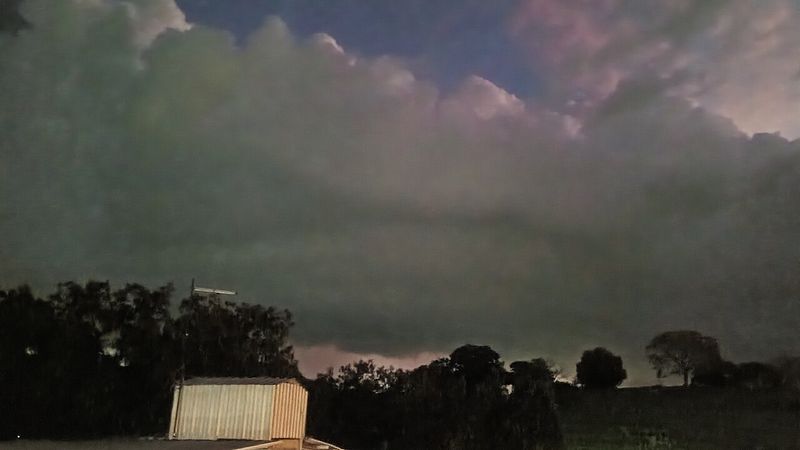
A violent storm struck Tupanciretã in Brazil’s southern state of Rio Grande do Sul before dawn on Friday 20 November 2026, killing five people, injuring 265 and leaving 19,780 displaced, according to the state Civil Defence. About 8,000 of the town’s roughly 8,600 homes were damaged, Agência Brasil reports, and the federal government has recognised a state of public calamity.
Key points
- Civil Defence counts 7,796 homes that lost their roofs, 20 damaged schools and about 20,000 people affected in the town, around 400 km inland from Porto Alegre.
- A weather station in the town recorded gusts of about 115 km/h; MetSul Meteorologia blames a macroburst from a supercell and says a tornado is possible but unconfirmed.
- Governor Eduardo Leite released R$2 million in emergency aid and R$5 million for one-off R$2,500 payments to low-income families whose homes were hit.
What happened in Tupanciretã?
The storm lasted about 40 minutes, according to AFP; Estadão says about 30. A red SMS alert was sent at 2:38 a.m., and about 1,000 trees and 5,000 poles or sections of wire came down, leaving the town without power or running water, Estadão reports. “It is a scene from a film. The town no longer has an electricity network, it has no water supply,” the mayor said, according to Estadão, while AFP quotes him as saying: “The town is gone.” Some 33 other municipalities were also affected, Agência Brasil says.
How many people were killed and displaced?
The state Civil Defence gives five deaths and 265 injured, figures that rose over the weekend from earlier counts of three and then four dead. The town hall counts six deaths; the state left out a former councillor after a post-mortem found he died of a heart attack, a point the town disputes, NC News reports. Of those forced from their homes, 19,780 are staying with relatives or friends and 40 are in public shelters, according to Civil Defence. About 200 army personnel were sent to help.
Was it a tornado?
The National Meteorological Institute (Inmet) station measured gusts of 114 km/h, AFP reports, and MetSul says the same station recorded 115 km/h. MetSul attributes the damage to a macroburst, a wide and violent downdraft from a supercell storm, with damage consistent with winds “near and above 200 km/h”, and says a tornado at the same time cannot be ruled out. Neither MetSul nor Civil Defence has confirmed a tornado.
What help has been announced?
The federal government recognised a state of public calamity in a decree published in an extra edition of the official gazette on 21 November, and Integration and Regional Development Minister Waldez Góes visited the town that day, Agência Brasil reports. AFP says President Luiz Inácio Lula da Silva ordered medical teams to the area. Governor Leite announced R$7 million in state aid in total, split between emergency relief and direct payments to families. No overall damage estimate or federal funding figure has been published.
Read also: Floods swamp Florida streets as record rain continues
Sources
- Agência Brasil News agency
- AFP (via Arab News) News agency
- Estadão (via InfoMoney) News outlet
- CNN Brasil News outlet
- MetSul Meteorologia News outlet
- NC News News outlet
Also available inالعربية