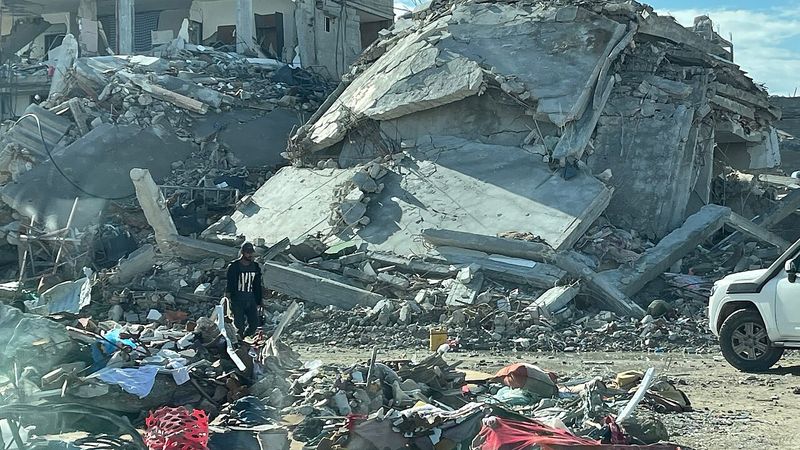
Rafah Brigade commander killed in Israeli strike in Gaza
Hamas's Rafah Brigade commander killed: Samir Abu Younis died in an Israeli strike in Khan Younis, two months after his predecessor, as peace plans stall.
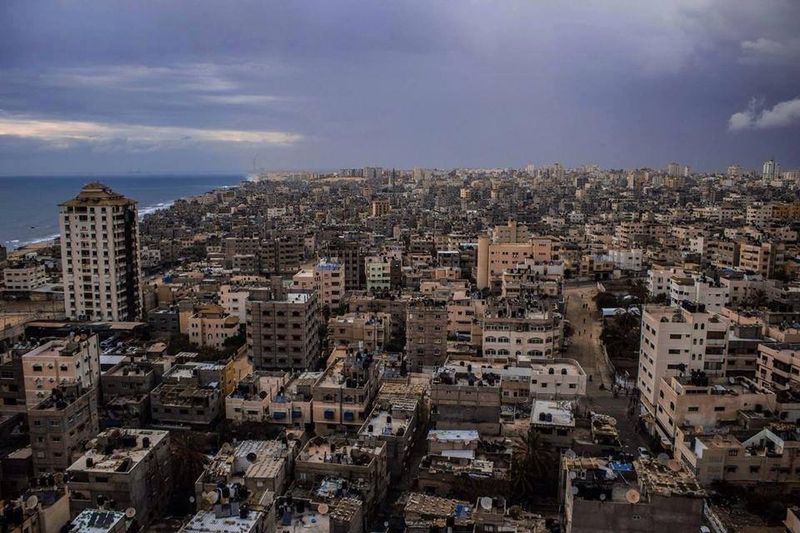
An Israeli airstrike in the Mawasi area of Khan Younis, in the southern Gaza Strip, has killed Samir Abu Younis, the commander of Hamas's Rafah Brigade, according to both Hamas's armed wing and the Israeli military, as reported by The Times of Israel, Reuters and Ynet. The strike came late on Saturday, November 14, or shortly after midnight. He is the second Rafah Brigade commander killed in two months.
Key facts
- The strike hit the Mawasi area of Khan Younis late on Saturday, November 14, or shortly after midnight.
- Hamas's armed wing, the Al-Qassam Brigades, announced his death; the Israeli military and the Shin Bet confirmed it.
- The Israeli military said he had led the brigade since his predecessor, Nael Abu Obeid, was killed on September 15.
- Others were reported wounded.
- Gaza's health ministry says more than 1,600 Palestinians have been killed since the October 2025 ceasefire.
Who was Samir Abu Younis?
Hamas said Abu Younis joined its armed wing in 1991 and described him as one of the key commanders in planning the October 7, 2023 attack, according to The Times of Israel, Reuters and Ynet.
His full name was Samir Mahmoud Hassan Abu Younis, known as Abu Mahmoud, and Hamas says he served time in an Israeli prison, Ynet reported. Reuters said he was 53 and that his funeral was set for Sunday afternoon in Khan Younis. According to the Israeli military, his earlier posts included deputy commander of the Rafah Brigade and commander of its Tel al-Sultan battalion.
What each side says
The Israeli military said he directed attacks on Israeli civilians and soldiers and was working to rebuild the brigade. It said it used precision munitions and aerial surveillance to limit harm to civilians, The Times of Israel and Ynet reported. Defence Minister Israel Katz welcomed the killing and said operations would continue, according to Ynet.
Katz said the offensive policy would continue until Gaza is demilitarised, Ynet reported. The military said Southern Command forces remain in the area under the existing agreement and will keep acting against immediate threats. It says its recent strikes have focused on operatives rebuilding Hamas's forces and civil control, according to The Times of Israel.
Accounts of the strike
Accounts differ on where he was hit. The Times of Israel and Reuters said he was struck on a street; Ynet said early Palestinian reports mentioned a vehicle, while footage released by the Israeli military showed him walking. The Palestinian news agency WAFA reported that the strike hit a tent sheltering displaced people, killing one person and wounding two. Reuters, citing medics, and WAFA said others were wounded.
Why do Rafah Brigade commanders keep being targeted?
Israeli forces control all of Rafah, but Hamas still appoints brigade commanders, who operate from the nearby Khan Younis area, The Times of Israel reports. Abu Younis is the third commander of the brigade killed during the war:
- Muhammad Shabana: killed on May 13, 2025, in a strike on a hospital that also killed Mohammed Sinwar, then head of Hamas's military wing, according to The Times of Israel and Ynet.
- Nael Abu Obeid: killed in a drone strike on September 15, 2026, about four months after taking command, Ynet reported.
- Samir Abu Younis: killed about two months after taking over.
The strike came three days after the Israeli strike on Nasser hospital in Khan Younis, which Israel said targeted Khan Younis Brigade commander Muhammad Abu Ismail; neither the military nor Hamas has confirmed his death, The Times of Israel reported.
The Rafah Brigade commander killed amid a stalled ceasefire
The killing comes as the US-backed peace plan has stalled: Hamas refuses to disarm, and Israel says it will not withdraw further until it does, according to The Times of Israel and Reuters. Gaza's health ministry says at least 1,600 Palestinians have been killed since the ceasefire began in October 2025; the UN humanitarian office, OCHA, citing the ministry, gives 1,613 killed and 5,833 injured as of November 9. Reuters reported that five Israeli soldiers have been killed in Gaza in the same period. For the wider picture, see our special report, Gaza after the war: reconstruction, the humanitarian crisis and the future.
The US-brokered ceasefire began on October 10, 2025, and set up the Yellow Line separating Israeli-held areas from the rest of the Strip, according to The National. In late 2025, Hamas demanded safe passage for fighters trapped in tunnels under Israeli-held parts of Rafah. The WHO says the Israeli military is shifting the Yellow Line, squeezing people into a smaller area, The Times of Israel reported.
In November 2026, 53 countries and organisations at the UN called for aid levels set by Security Council Resolution 2803, which endorsed the Board of Peace plan, The National reported, amid a winter shelter crisis in Gaza. WAFA puts the Gaza death toll since October 7, 2023 at 74,695; about 1,200 people were killed in the Hamas-led attack on southern Israel, Reuters notes.
What is still unclear
It is not confirmed how many people were wounded or whether any civilians were killed in the strike, and the exact location of the strike is disputed between accounts. It is also not yet known whether Hamas will name a new commander for the brigade.
Frequently asked questions
Who was Samir Abu Younis?
The commander of Hamas's Rafah Brigade, according to both Hamas and the Israeli military. He took over in September after his predecessor was killed; Hamas says he joined its armed wing in 1991.
Where did the strike happen?
In the Mawasi area of Khan Younis, in the southern Gaza Strip.
Is the Gaza ceasefire still in place?
The ceasefire that began in October 2025 formally continues, but strikes and deaths continue to be reported, and the next stage of the peace plan has stalled.
Photo: Dans / Wikimedia Commons, licence CC BY-SA 4.0.
Sources
- The Times of Israel News outlet
- Reuters, via Al-Monitor News agency
- Ynetnews News outlet
- WAFA News agency
- OCHA occupied Palestinian territory Official or original
- The National: Hamas demands safe return of fighters trapped in tunnels (November 2025) News outlet
- The National News outlet
- The Times of Israel News outlet
Also available inالعربية