Gaza pollution: Oxfam says war made a ‘toxic wasteland’
An Oxfam and CEOBS report published on 23 November 2026 says Israel’s war left signs of potential contamination across more than 99% of Gaza.
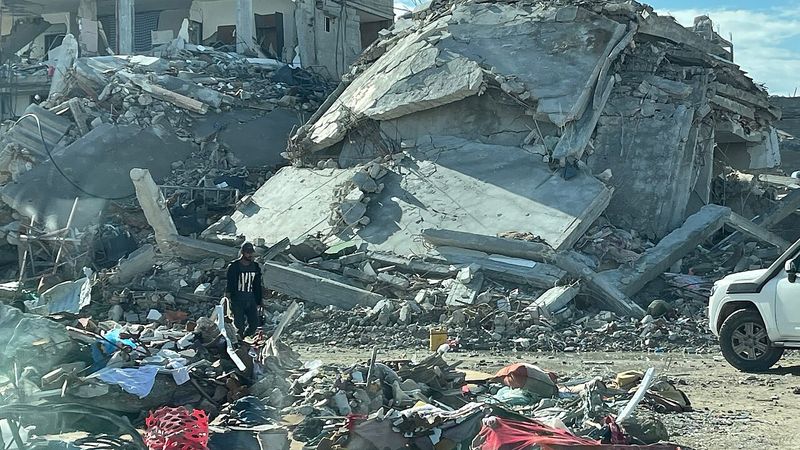
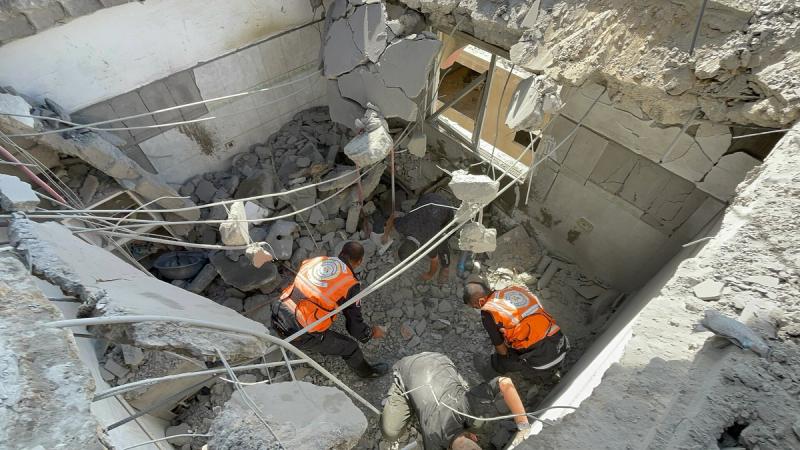
Israel’s military assault has turned Gaza into a “toxic wasteland”, Oxfam said on Monday 23 November 2026 in a report written with the UK-based Conflict and Environment Observatory (CEOBS). Using satellite data and conflict records, the groups found indicators of potential contamination across more than 99% of the territory. No Israeli response to the report had been reported when it was released.
Key points
- The 125-page study, “Environmental War Crimes”, maps contamination risk remotely because Israel does not allow independent access; Oxfam calls for a full on-the-ground assessment.
- Faecal coliforms were found in 19% of 79 groundwater wells sampled in July 2026, against 2% in 2021, the report says, according to Oxfam Australia.
- About 40 million litres of raw sewage reach the Mediterranean every day, and the UN Environment Programme estimates more than 61 million tonnes of debris.
What did the Oxfam report find?
Military operations affected about 78% of Gaza’s land, and indicators of potential contamination appear across more than 99% of the territory, according to Oxfam. The two figures measure different things: the first is the area directly touched by operations, the second the area showing signs of possible pollution. The contaminants named include heavy metals, explosive residues, asbestos, dioxins and biological pollutants, the Irish Examiner reports, and Al Jazeera says the report identifies Gaza City, Jabalia and North Gaza as air-pollution hotspots. Oxfam describes the contamination as “widespread, severe and consequential”.
How bad is Gaza’s water and sewage?
Of 79 groundwater wells sampled in July 2026, 19% contained faecal coliforms, compared with 2% in 2021, and 61 exceeded 1,000 mg/L of dissolved solids, according to Oxfam Australia’s summary; the pages we read do not say who carried out the tests. Only 19% of sewage pumping stations still work and about 30% of the network has some capacity. Around 40,000 cubic metres of raw sewage flow into the sea every day, plus 15,000 cubic metres a day from cesspits and leaks. Al Jazeera reports that all six of Gaza’s wastewater treatment plants had been destroyed by April 2024.
How was the study done, and what does Oxfam say?
The report is by Lama Abdul Samad, Martin Butcher and Gabriel Naumann. It draws on satellite data, remote sensing and geolocated databases of conflict incidents, together with a review of scientific and legal literature; no field samples were taken by the authors. “Israel’s ongoing genocide in Gaza includes military assaults on its environment, which are environmental war crimes threatening life now and for generations to come,” said Amitabh Behar, Oxfam International’s executive director, according to The Guardian. “Environmental war crimes” is Oxfam’s own description, not the finding of a court.
What has Israel said?
The Guardian says Israel was contacted for comment, and no response had been reported. Israel rejects accusations of genocide over its conduct of the war. More than 74,000 Palestinians have been killed in Gaza, according to the health ministry in the Hamas-run territory, figures the UN considers reliable, TheJournal reports.
Read also: Gaza Civil Defence: over 85% of vehicles out of service · Save the Children: a third of child violations in Palestine
Sources
- Oxfam International (report page) Official or original
- Oxfam Australia release (via Mirage News) Official or original
- TheJournal.ie News outlet
- The Guardian (via AOL) News outlet
- Irish Examiner News outlet
- Al Jazeera (via Yahoo News) News outlet
Also available inالعربية