Carney's second China visit: what to expect in Shenzhen
Canada’s prime minister is due to meet Xi Jinping in Shenzhen around the APEC summit; autos, trade, farm tariffs and foreign interference are on the agenda.
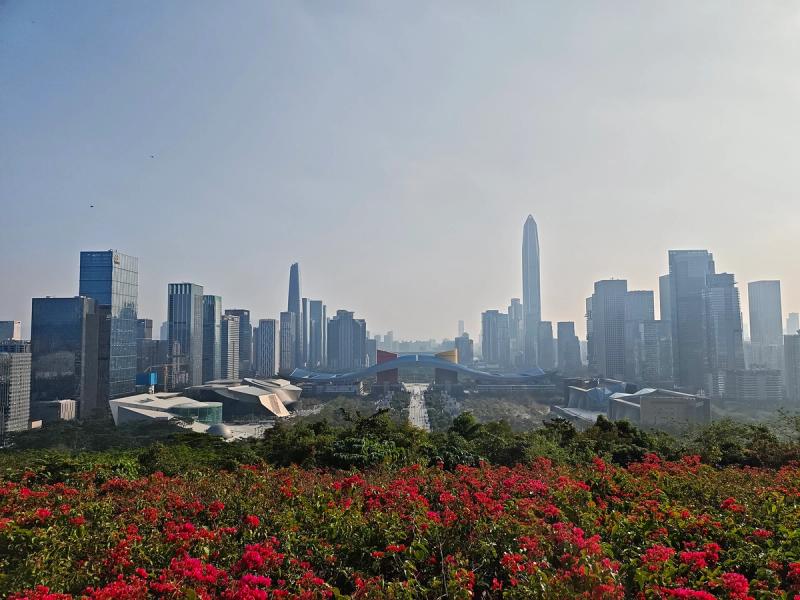
Canadian Prime Minister Mark Carney is expected to meet Chinese President Xi Jinping in Shenzhen around the APEC leaders’ summit on 18 and 19 November 2026, his second visit to China since taking office after a January trip to Beijing. Carney says he will raise foreign interference and discuss Chinese investment in Canada’s auto sector, according to The Canadian Press, The Globe and Mail and the Associated Press.
Key points
- Carney and Xi are expected to meet in person; reports differ on the day, with The Globe and Mail reporting a short meeting on 17 November while APEC’s leaders’ meeting runs 18 and 19 November.
- Carney says he will raise foreign interference and that any Chinese auto investment must bring substantial manufacturing, labour standards and growing domestic supply chains to Canada.
- In January Canada cut its 100% tariff on Chinese electric vehicles to 6.1% for up to 49,000 vehicles a year initially, and China lowered tariffs on Canadian farm goods including canola; the trade arrangement was extended to the end of 2028 in early November.
When and where will Carney meet Xi?
The Canadian Press reported that Carney and Xi are “expected to meet in person” at the APEC summit in Shenzhen, without giving a day. The Globe and Mail reported a short meeting on 17 November, and the Epoch Times quoted Carney saying the APEC leaders’ meeting is scheduled for 18 and 19 November; no report explains the difference. According to the Globe, Carney began the trip on 11 November with a European leaders’ gathering in Ireland, followed by three Asian summits: the Francophonie summit in Cambodia, ASEAN in the Philippines and APEC in China. He concluded free-trade talks with the Philippines in Manila on 14 November and spoke to reporters in Cambodia on 16 November, AP reported.
What is on the agenda?
Carney said he will raise the importance Canada attaches to non-interference by China and other countries in Canadian affairs, and that his economic partnership with Beijing has “clear guardrails”, The Canadian Press reported. A January 2025 public inquiry named China as the top perpetrator of foreign interference targeting Canadian democratic institutions, according to the report. Carney also said Canada has chosen a new ambassador to China, vacant since the spring, and is waiting for Beijing to formally accept the choice; he did not name the person.
On autos, Carney said talks with the United States remain his priority but Canada “is going to move forward either way”, AP reported, and any Chinese investment would need substantial manufacturing in Canada. He said a meeting with President Donald Trump at APEC or the ASEAN summit is possible, calling a sit-down “good” but “not absolutely necessary”. Trump is also due in Shenzhen to meet Xi.
What happened on his first visit in January?
Canada cut its 100% tariff on Chinese electric vehicles to 6.1%, initially allowing up to 49,000 vehicles a year with the cap set to rise, and China agreed to lower tariffs on Canadian agricultural products including canola, AP reported. The Epoch Times added that Carney committed to raising Canadian exports to China by 50% by 2030 and that several memoranda of understanding were signed, including on law-enforcement cooperation. In early November the trade arrangement was extended to the end of 2028, with China keeping favourable access for products including canola meal, peas, lobster and crab, according to the Epoch Times.
What are the risks and criticisms?
Ontario Premier Doug Ford criticised the January deal, warning that Chinese imports could threaten Canadian jobs and put access to the US market at risk, AP reported. Conservative leader Pierre Poilievre has criticised deeper ties with China and said Ottawa should repair relations with Washington first, the Epoch Times reported. Analyst Vina Nadjibulla said the extension clears the way for APEC to focus on Chinese investment, but warned that Ottawa’s China decisions could affect US talks, especially on steel and aluminium, according to the Epoch Times and The Globe and Mail.
Read also: Carney: Canada could turn to Chinese automakers · Trump-Xi summit in Shenzhen: what to expect
Sources
- The Canadian Press (via Global News) News agency
- The Globe and Mail News outlet
- The Epoch Times News outlet
- Associated Press (via ClickOnDetroit) News agency
Also available inالعربية