Iran: no IAEA access to bombed nuclear sites until war ends
Iran’s deputy foreign minister says UN inspectors will not enter damaged nuclear sites until Iran’s conditions are met and the war permanently ends.
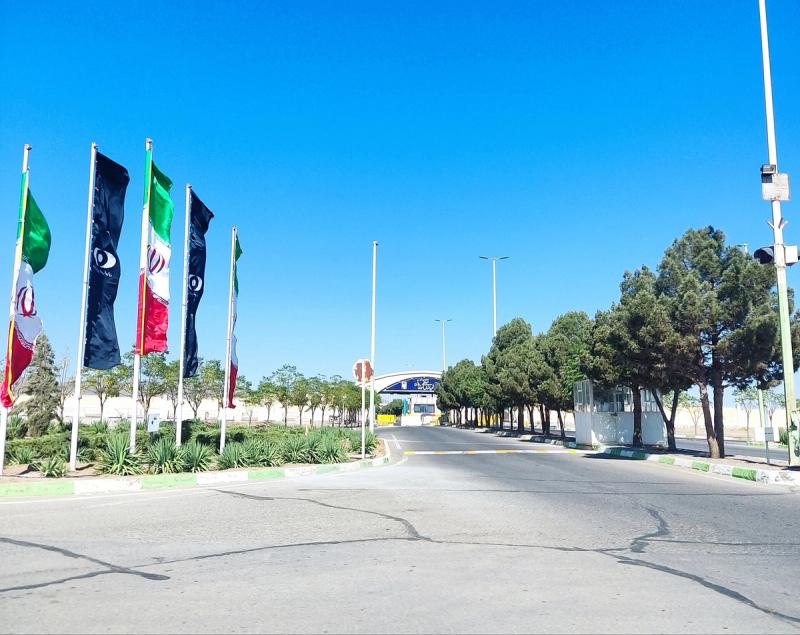
Iran will not allow UN nuclear inspectors into its damaged nuclear sites until its conditions are met and the war has “permanently ended”, Deputy Foreign Minister Kazem Gharibabadi said in a televised interview late on Sunday, 15 November 2026, AFP reported. He said the request from the International Atomic Energy Agency (IAEA) was “likely aimed at assessing the effectiveness of American weaponry”.
Key points
- Gharibabadi’s remarks came days after the IAEA urged Tehran to take steps towards resuming inspections, which have been suspended since last year’s 12-day war with Israel, when the US also struck Iranian nuclear sites.
- IAEA inspectors visited the Bushehr nuclear power plant in September but have not been allowed into bombed sites including Natanz, Fordow and Isfahan.
- Efforts to end the war that began on 28 February have made little headway, and Iran says nuclear talks would come at a later stage; the reports carried no US or Israeli reaction.
What exactly did Iran say?
Gharibabadi said Iran would not give the IAEA access to the facilities “until Iran’s conditions are met and the war has permanently ended”, AFP reported. He called the agency’s request to inspect the damaged sites likely aimed at assessing how effective American weapons were. Arab News and Free Malaysia Today add that the access depends on the United States meeting Iran’s conditions; none of the reports names the outlet that carried the interview.
Which sites are affected?
IAEA inspectors visited the Bushehr nuclear power plant in September, but they have not gained access to bombed sites including Natanz, Fordow and Isfahan, according to AFP. Inspections have been suspended since last year’s 12-day war with Israel, CBS describing them as partly suspended. AFP said Iranian nuclear facilities were hit again in the war that broke out on 28 February, when US-Israeli strikes killed Supreme Leader Ayatollah Ali Khamenei. The reports do not mention the status of Iran’s enriched uranium stockpile.
Why does it matter?
The IAEA is the UN body that verifies whether nuclear material has been diverted, and without access to the bombed sites it cannot report on their condition. AFP said Tehran demands that Washington unfreeze Iranian assets and lift sanctions, among other conditions, in exchange for reopening the Strait of Hormuz, and that Iranian officials have said talks on the nuclear programme would come later. Earlier this month the US military announced a $20 million reward for information on Iran’s nuclear programme, which Tehran called “repugnant”, according to Arab News.
What is not in the reports?
The reports give no date or wording for the IAEA’s call, no name of the agency official who made it, and no reaction from Washington, Israel or the IAEA to Gharibabadi’s remarks.
Read also: Hormuz seafarers killed: UN says the toll has reached 25
Sources
- AFP (via Arab News) News agency
- AFP (via Free Malaysia Today) News agency
- AFP (via The Times of Israel live blog) News agency
- CBS News live updates (CBS/AFP) News outlet
Also available inالعربية