Cape Verde votes for president; runoff possible Nov 29
Cape Verde voted for a president on 15 November 2026; AP reports gave no results, with a runoff on 29 November if no candidate wins over half.
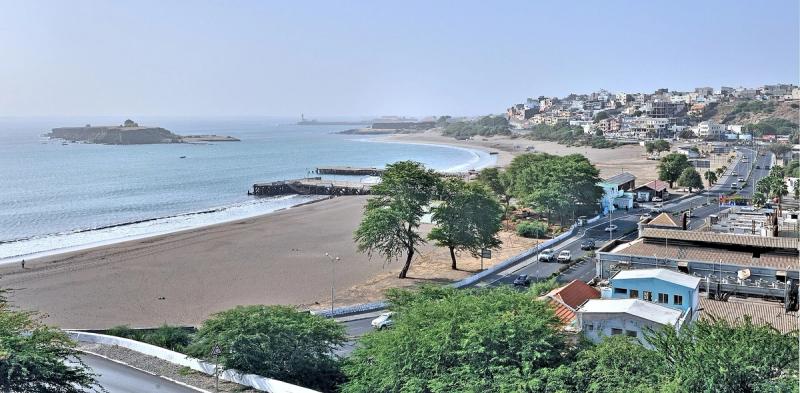
Cape Verde held a presidential election on Sunday, 15 November 2026, and polls closed that evening, the Associated Press reported. Six candidates ran. If none wins more than half of the votes, a runoff will be held on 29 November. The AP reports reviewed did not give any results.
Update, 16 November: provisional results show President José Maria Neves winning a second term with about 64% of the vote. See our results report.
Key points
- President José Maria Neves, backed by the PAICV, is seeking a second term; former justice minister Joana Rosa is backed by the opposition MpD.
- A Rosa victory would make her the first woman head of state since independence from Portugal in 1975, AP said; the presidency is largely ceremonial but can veto laws.
- Nearly 77,000 citizens abroad are registered to vote, almost a fifth of the electorate.
Who are the main candidates?
Neves won the presidency in 2021 with about 52% of the vote and is running for re-election with the backing of the African Party for the Independence of Cape Verde (PAICV). Rosa, a former justice minister, is backed by the opposition Movement for Democracy (MpD). AP did not name the other four candidates.
The PAICV won a parliamentary majority in May 2026, ending a decade of MpD rule and winning most municipalities, so a Rosa win would put the presidency and the government in opposing camps, AP said.
What are voters concerned about?
Voters cited high unemployment, the cost of living, housing, healthcare, education, wages and limited opportunities that push young people to leave, AP reported. Analyst Roselma Évora of the University of Cabo Verde said Neves’s incumbency gives him visibility, including among overseas voters, while writer Rosário Luz said party loyalty matters more than gender.
What happens next?
No results were reported in the AP stories reviewed. If no candidate passes 50%, the top candidates go to a runoff on 29 November. In Cape Verde’s parliamentary system the prime minister directs policy and holds most executive power.
Sources
- The Associated Press (via Yahoo News) News agency
- The Associated Press (via The Manila Times) News agency
Also available inالعربية