Cape Verde: Neves re-elected with about 64% of the vote
Provisional results show President José Maria Neves winning a second term with about 64%, ahead of Joana Rosa on about 31%; low turnout was 31.7%.
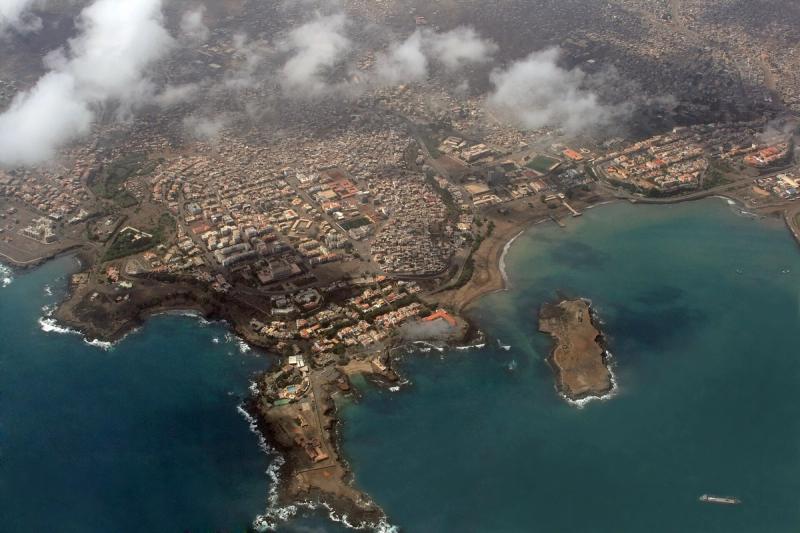
Cape Verde’s President José Maria Neves has won a second five-year term with about 64% of the vote in Sunday’s election, provisional results show, according to the Associated Press and Reuters. His main challenger, Joana Rosa, conceded, and because Neves is above the 50% threshold no runoff will be needed. The national electoral commission is expected to announce official results this week.
Key points
- Reuters, citing results from 97% of polling stations announced on state television, gave Neves 63.8% and Rosa 31.6%, with the four other candidates each under 1%; AP put Rosa at 31.4%.
- Turnout was low: 31.7% of 418,000 registered voters cast ballots, AP reported.
- Neves said low participation reflected high emigration, population movements and outdated voter records, and promised a study; Reuters said he called for updated registers and electronic voting.
What are the provisional results?
Neves, 66, of the African Party for the Independence of Cape Verde (PAICV), was prime minister for 15 years and became president in 2021, Reuters reported. Rosa, a former justice minister from the opposition Movement for Democracy (MpD), had been the main challenger among six candidates. The two agencies’ figures differ slightly (Rosa 31.6% by Reuters, 31.4% by AP) and neither explains the gap, which may reflect different counts. The results are provisional until the electoral commission announces official figures.
What did Neves and Rosa say?
Neves called the result “a great victory” and said the president “belongs to everyone”, not just a majority, AP reported. He pledged to work for all Cape Verdeans at home and abroad on higher wages and poverty, according to Reuters. Rosa called Neves to concede and said she had already congratulated him, saying her candidacy would help pave the way for greater equality as the first woman to run for president, Reuters reported.
Why was turnout so low?
Reuters said less than one-third of eligible voters took part, and AP gave 31.7% of 418,000 registered voters. Neves attributed the abstention partly to emigration, internal population movements and outdated electoral rolls. The campaign was dominated by high unemployment and the cost of living, which have fuelled emigration, AP said; the islands have about 500,000 residents and many Cape Verdeans abroad, mainly in the United States and Portugal, according to Reuters.
What does the president do?
Under Cape Verde’s system the prime minister holds most executive power, while the president’s role is largely ceremonial but includes the power to veto legislation, AP reported. The reports do not discuss how Neves will work with the government led by the prime minister.
Read also: Cape Verde votes for president; runoff possible Nov 29
Sources
Also available inالعربية