West Bank olive harvest attacks: UN records worst month
West Bank olive harvest attacks were reported near Bethlehem, Ramallah and Nablus on Nov 14–15, as the UN says October saw a record 467 settler attacks.
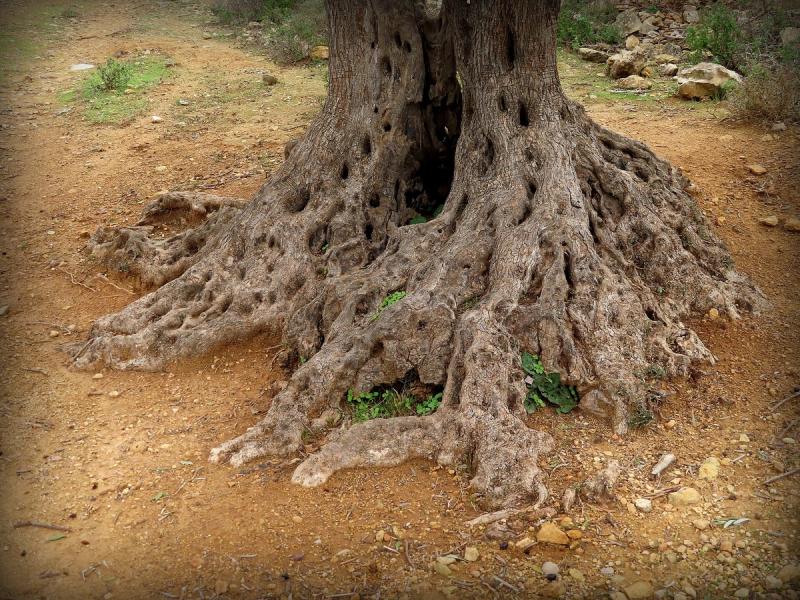
Palestinians harvesting olives in the occupied West Bank were attacked in several places on November 14 and 15, according to the Palestinian news agency WAFA and Israeli media, as the UN humanitarian office, OCHA, says West Bank olive harvest attacks by settlers have reached a record level this season.
Key facts
- OCHA recorded 467 settler attacks in October 2026, the highest monthly number since it began documenting in 2006.
- OCHA counts 410 harvest-related settler attacks since the season began on September 1.
- On November 14, near Beit Fajjar south of Bethlehem, attackers assaulted olive pickers and five Palestinians were injured.
- The Israeli military said it declared the area a closed military zone and that Palestinians could continue harvesting.
- Attacks were also reported near Ramallah and Nablus.
What happened in Beit Fajjar?
On Saturday, November 14, near Beit Fajjar, south of Bethlehem, attackers assaulted Palestinians harvesting olives and smashed vehicles, and five Palestinians were injured, according to WAFA, The Jerusalem Post, which cited the broadcaster KAN for the injuries, and The Times of Israel. WAFA described the attackers as settlers; The Jerusalem Post described them as masked Jewish Israelis armed with clubs.
WAFA said the injuries were moderate and, citing local sources, that the settlers smashed several vehicles. The Jerusalem Post said the attackers arrived in a pickup truck, and that the army said one of the vehicles used had been stolen.
The Israeli military's account, as reported by The Jerusalem Post, is that the area was declared a closed military zone, that Palestinians could continue harvesting, and that rioters had smashed a Palestinian car before forces arrived. It said soldiers fired into the air at two suspect vehicles, which fled toward an outpost. It added, according to the paper, that dozens more masked people arrived later but fled before troops got there.
It was not the first attack on Beit Fajjar's farmers this season. OCHA says that on November 3, settlers attacked farmers during a coordinated harvest day near the town and stole about 150 kg of olives and tools.
Other incidents near Ramallah and Nablus
In Deir Jarir, east of Ramallah, a Palestinian was injured on November 14 after settlers allegedly fired at his vehicle at the entrance to the village, according to WAFA and The Times of Israel, citing WAFA. On November 15, settlers attacked a home and smashed two vehicles in Beita, south of Nablus, WAFA reported; The Times of Israel also reported the attack, citing Palestinian media. No Israeli military comment on these incidents was reported.
WAFA said the home in Beita, in the al-Harayeq area, belongs to Mutie Salim Qutish, and that the area faces almost daily attacks. OCHA had reported that masked settlers assaulted and injured a farmer in Beita and stole equipment in the week of November 3 to 9.
On the same Saturday, near Beit Ummar, north of Hebron, Palestinians threw rocks at an Israeli car and the driver was lightly hurt, The Jerusalem Post reported, and Israeli forces set up roadblocks to search for the attackers.
Why does the olive harvest matter?
Up to 100,000 Palestinian families depend on the olive harvest, according to the UN human rights office. Its head in the occupied Palestinian territory, Ajith Sunghay, called it the economic backbone of rural communities and said "the olive here is never just a tree", UN News reported in October 2025.
The office said about 96,000 dunums of olive groves went unharvested in 2023, causing losses of more than $10 million. The aid group Anera says the 2025 season was also hit by an extremely hot summer and a dry rainy season, on top of settler attacks and restricted access to land.
West Bank olive harvest attacks in numbers
In the week of November 3 to 9, OCHA recorded 52 settler attacks causing casualties or damage across 38 communities, and 37 Palestinians injured, 19 by settlers and 18 by Israeli forces. It says more than 6,700 Palestinians have been displaced by settler violence and access restrictions since January 2023, and 49 communities have been fully displaced. These incidents follow the attack on the village of Atara earlier in the week; see Settlers attack West Bank village of Atara after army removes outposts.
OCHA's figures for this season also include:
- 21 harvest-related attacks in a single week (November 3 to 9), and 14 of the 23 injuries in settler attacks that week linked to the harvest.
- Few permits to reach land behind the barrier: as of November 4, Qalqiliya approved 1,750 of 4,000 applications, and Salfit issued about 80 permits for 350 names.
- 123 harvest hotspots identified by the Food Security Sector.
For comparison, the previous monthly record OCHA announced was at least 264 attacks in October 2025, Reuters reported. The conflict monitor ACLED links the rise to new farm outposts: on September 30 it said 49 percent of settler violence events in 2026 occurred within 3 km of an outpost set up this year.
What is still unclear
Whether anyone has been arrested over the November 14 and 15 attacks has not been reported, and several incidents have so far been reported by a single source. The number of attackers at Beit Fajjar and who fired at Deir Jarir are also unknown. Abroad, France this week barred settler leader Yossi Dagan from entering its territory.
Frequently asked questions
Why are olive harvest attacks significant?
The olive harvest is a key source of income for many Palestinian families, with up to 100,000 relying on it according to the UN, and OCHA says attacks during this season are at a record level.
How many settler attacks did the UN record in October 2026?
467, the highest monthly figure since OCHA began documenting in 2006.
What did the Israeli military say about Beit Fajjar?
It said it declared a closed military zone, allowed the harvest to continue and fired into the air at two suspect vehicles that fled toward an outpost.
Photo: بدارين / Wikimedia Commons, licence CC BY-SA 4.0.
Sources
- OCHA occupied Palestinian territory Official or original
- The Jerusalem Post News outlet
- The Times of Israel News outlet
- WAFA (Beit Fajjar) News agency
- WAFA (Beita) News agency
- UN News: UN rights office on settler violence during the olive harvest (October 2025) Official or original
- Reuters, via Al-Monitor (November 2025) News agency
- ACLED: Settler violence in the West Bank hits record levels as farming outposts expand (30 Sept 2026) Data
- Anera: The 2025 Levant olive oil crisis News outlet
Also available inالعربية