Voyager 1 reaches one light-day from Earth
Voyager 1 reached about 25.9 billion kilometers from Earth on 18 November by NASA’s calculations. Engineers are investigating a data interruption.
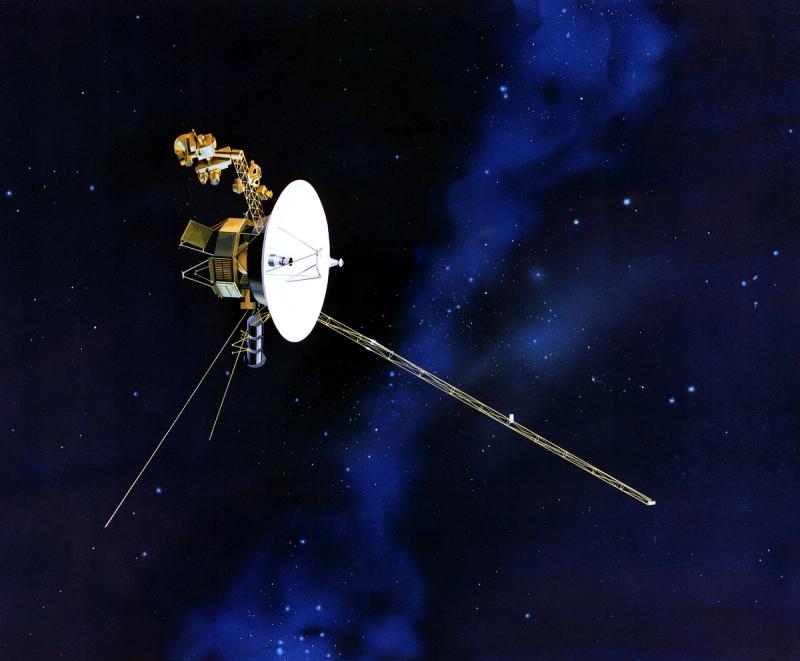
Voyager 1 reached a distance of one light-day from Earth on 18 November 2026, according to NASA’s mission calculations. NASA said its engineers expected to confirm on 19 November that the spacecraft was still operating at that distance, using a radio carrier signal and trajectory calculations, as science and engineering data had stopped arriving.
Key points
- NASA puts one light-day at roughly 25.9 billion kilometers.
- NASA says the mission team became aware of the data interruption on 14 November.
- Engineers expected to use the carrier signal and trajectory calculations to confirm operation at that distance on 19 November.
What does one light-day mean?
NASA defines it as the distance light travels in 24 hours. At that distance, a radio message takes about one day to reach the spacecraft and a reply takes about another day to arrive on Earth.
What are engineers receiving?
NASA says a ground antenna in Canberra detected a carrier signal without science or engineering data. The signal shows that the antenna and transmitter are working. The cause of the missing data was still unknown in the latest coverage reviewed, and engineers are investigating.
Why do the dates differ?
NASA dates the distance milestone to 18 November. Its engineering update separately identified 19 November for confirming that Voyager 1 was still operating at that distance. The agency says the signal delay makes troubleshooting slow.
Sources
- NASA (Voyager blog) Official or original
- NASA (light-day resource) Official or original
Also available inالعربية