Yemen’s Taiz faces deepening water crisis as siege tightens
Water output in Taiz has nearly halved since the Houthis re-imposed a siege in October 2026, UNICEF says; officials warn of cholera and acute diarrhoea.
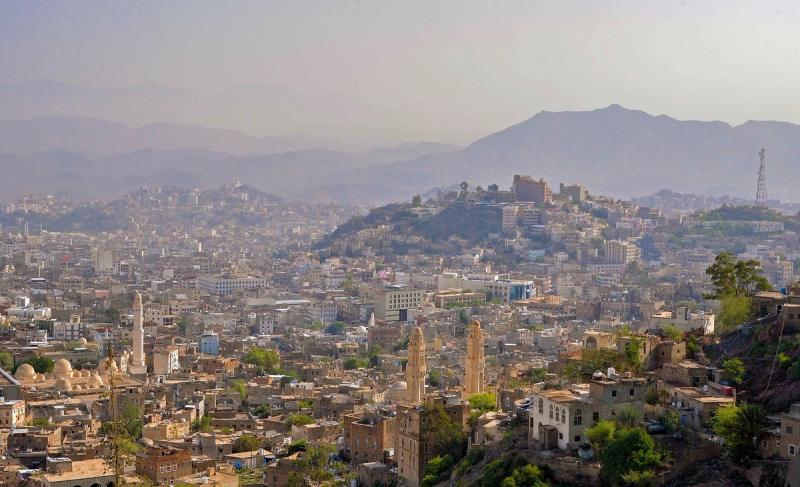
Water production in the Yemeni city of Taiz has nearly halved since the Houthis re-imposed a siege in October 2026, UNICEF says, according to an Al Jazeera report on 19 November 2026. More than 800,000 people are reported cut off from aid. The Houthis deny responsibility for the road closures; Human Rights Watch says residents, aid workers and UN officials blame them.
Key points
- Taiz once received about 20,000 cubic metres of water a day from six well fields; capacity had recovered to about 5,000 and has now fallen to about 1,800, Al Jazeera reported.
- The causes include the loss of one well field to Houthi forces, a diesel shortage that stopped the city’s wells, a funding crisis at the water corporation and long delays for tankers at checkpoints.
- The price of a tanker of water rose from 18,000 to 30,000 riyals, about $12 to $20.
Why is there a water crisis in Taiz?
Al Jazeera reported that the Houthis seized the Hadhran al-Dhabab well field, cutting about 1,200 cubic metres a day, and that a diesel shortage stopped city wells, cutting about 2,000 more. Checkpoint delays hold up tankers for hours, sometimes more than a day. The head of the water corporation, Wafiq al-Aghbari, and Dr Abdulqawi al-Shamiri of al-Taawun Hospital warned of cholera and acute diarrhoea.
What does the governor say?
Arab News reported that Taiz governor Nabil Shamsan said on 17 November that more than 1.3 million people face starvation, thirst and disease, and that the Houthis seized the last route to Aden in early October. He said fuel and cooking gas supplies are down 96 to 97%, food prices are up 60% and food stocks cover about 10% of need. The governor is a party to the conflict, and these figures have not been independently verified.
What do the Houthis say?
The Houthis deny responsibility for the road closures, according to the reports we checked. Human Rights Watch says residents, aid workers and UN officials blame them for the restrictions.
Sources
- Al Jazeera (via Yahoo) News outlet
- Arab News News outlet
Also available inالعربية