Likud and Eisenkot’s Yashar end talks without a deal
Likud and Eisenkot’s Yashar ended a four-hour round of coalition talks on 22 November with no deal; Eisenkot has until 6 December to form a government.
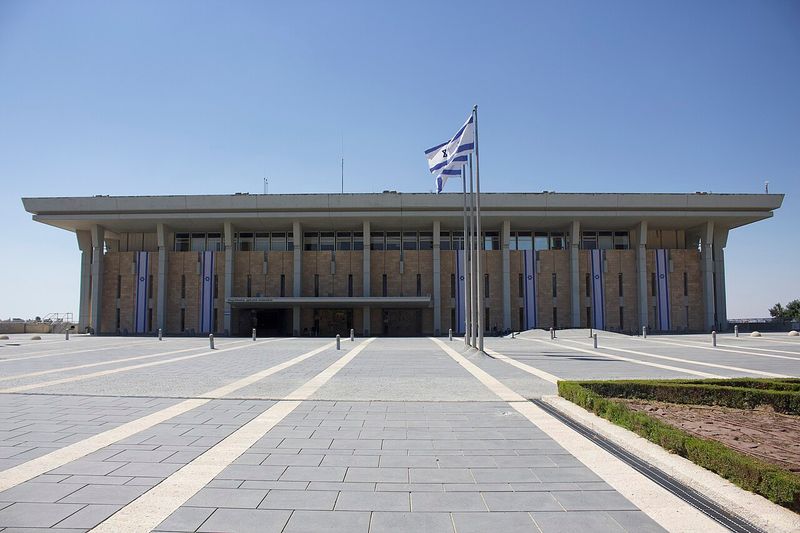
Netanyahu’s Likud and Eisenkot’s Yashar party ended a second round of coalition talks on Sunday 22 November without agreeing a unity government, the two parties said in a joint statement reported by AFP and Arab News. They agreed to meet again but gave no date. Eisenkot has until 6 December to form a government, with a possible 14-day extension, according to the reports.
Key points
- The talks lasted four hours at a hotel in Herzliya, following a first round the previous Sunday; the joint statement said only that “a follow-up meeting will be held”.
- Likud set conditions for joining a unity government, including a government without Arab parties and an end to “all personal attacks and incitement to hatred”.
- Eisenkot’s bloc has 48 seats in the 120-member Knesset and needs 61 for a majority; October’s election gave neither camp an outright majority.
- Eisenkot has said he is ready to put an “emergency national government” to parliament, but has not said how it would win a vote.
What was said after the meeting?
AFP reports that the two parties announced in a joint statement that the latest round had concluded and that a further meeting would follow. On Saturday, Yashar had described the resumption of talks as “a genuine commitment to forming the broadest possible government”, and said Eisenkot had asked his representatives to explore all options, according to the same reports. The pages do not say what the parties agreed on or how far apart they remain beyond the conditions below.
What is Likud demanding?
All four reports say Likud immediately laid down several conditions. They include an end to personal attacks and incitement against Netanyahu; a government that excludes Arab parties and includes only those supporting Israel as the nation-state of the Jewish people; no Palestinian state; Israeli control over territories in Syria, Lebanon and Gaza; and a compromise on conscription for ultra-Orthodox Jews. These are Likud’s demands as reported, not points Yashar has accepted.
What stands in the way of a deal?
Netanyahu is pushing for a national unity government in which the two men could take turns as prime minister, the reports say, while Eisenkot has centred his campaign on refusing to serve in a cabinet led by Netanyahu. AFP adds that a rotation could let Netanyahu keep political protection against the corruption charges he faces and keep opposing an independent commission of inquiry into the security failures before the 7 October 2023 Hamas attack. Naftali Bennett repeated on Saturday that he will not join a coalition with Netanyahu or his bloc “under any circumstances”, the reports say.
What happens if talks fail?
Eisenkot said on Friday he was ready to put an “emergency national government” to parliament, without spelling out how, and the reports read that as a possible quick minority government that could later be broadened. They say such a government could receive support from the 19 Arab-party lawmakers, though no Arab party is quoted as committing to that. Avigdor Lieberman rejects working with them and instead advocates an alliance with ultra-Orthodox parties, according to the reports’ summary of his position. We could not open Al Jazeera’s and Middle East Monitor’s versions of the story.
Read also: Eisenkot demands probe of alleged Netanyahu aide meddling
Sources
- AFP (via RTÉ) News agency
- AFP (via Jamaica Observer) News agency
- Arab News News outlet
- The New Arab News outlet
Also available inالعربية