ICJ to rule on Myanmar genocide case on 19 November
The ICJ will deliver its final judgment on 19 November in The Gambia v. Myanmar on alleged genocide against the Rohingya, HRW and AFP report.
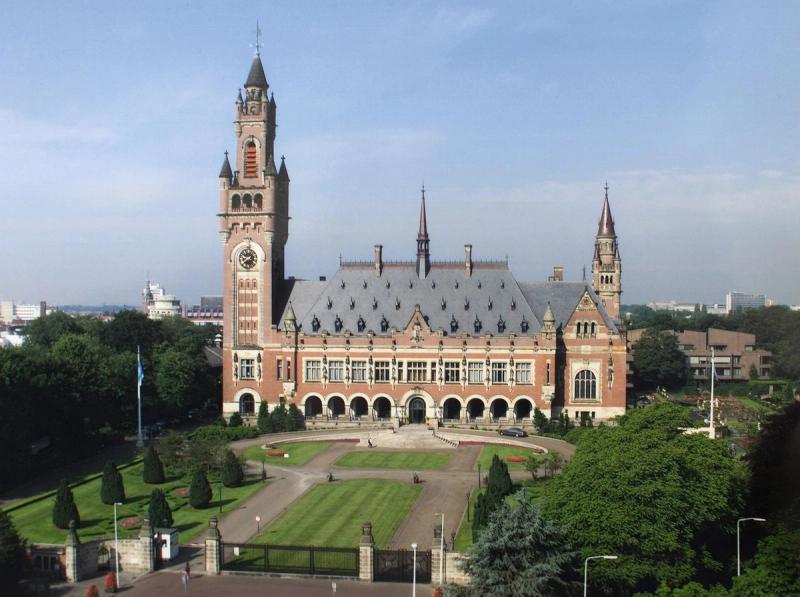
The International Court of Justice (ICJ) will deliver its judgment on Thursday, 19 November 2026, in The Gambia v. Myanmar, the case accusing Myanmar of genocide against the Rohingya minority, Human Rights Watch (HRW) and AFP reported. HRW says the judgment, to be read in The Hague, is final, cannot be appealed and will end the proceedings.
Key points
- The Gambia, backed by the Organisation of Islamic Cooperation, filed the case in November 2019 under the Genocide Convention; HRW stresses it is about the state’s responsibility, not a criminal trial of individuals.
- Myanmar denies genocide and says its 2016-2017 operations were counter-terrorism operations against the Arakan Rohingya Salvation Army; more than 700,000 Rohingya fled to Bangladesh after August 2017, according to HRW.
- The ICJ has no means of enforcing its decisions, AFP noted; HRW says the judgment is legally binding and that the UN Security Council could act on non-compliance, a power it has never used.
What will the court decide?
The Gambia asks the court to declare that Myanmar breached the Genocide Convention by committing genocide, conspiring to commit it, failing to prevent it and failing to punish suspects, HRW said. It also asks for orders including legislation against genocide, trials of alleged perpetrators, an end to incitement, reparations such as the return of displaced people and restitution of property, and assurances against repetition, and for a finding that Myanmar failed to comply with the court’s January 2020 provisional measures. The merits hearings took place in January 2026, and eleven states were allowed to intervene on questions of treaty interpretation, HRW said.
Why is proving intent central?
HRW explains that The Gambia relies on the court’s 2015 Croatia v. Serbia test, under which genocidal intent may be inferred only where it is the only inference that could reasonably be drawn from the acts. Myanmar argues there is no direct evidence of intent, that this test has not been met and that material from UN bodies, rights groups and the media, including the UN fact-finding mission’s reports, should carry little weight. At the January hearing, Ko Ko Hlaing, described by AFP as a minister in the president’s office, called the allegations “unsubstantiated”.
How did the case get here?
The court ordered Myanmar in January 2020 to prevent genocidal acts and preserve evidence, and in July 2022 it rejected Myanmar’s objections to its jurisdiction, HRW said. The Gambia’s justice minister, Dawda Jallow, told the court the case was “a stain on our collective conscience” and that the Rohingya had been “targeted for destruction”, AFP reported. AFP added that more than one million Rohingya now live in Bangladesh and that Aung San Suu Kyi, who addressed the court in 2019, is under house arrest and will not attend the verdict.
What happens after the ruling?
HRW says the judgment is binding on the parties and that, if a party does not comply, the other may go to the UN Security Council, which has never used its power to enforce an ICJ judgment; the General Assembly and individual states can also press for compliance. HRW says separate efforts continue elsewhere, including an International Criminal Court investigation, a request by the ICC prosecutor in November 2024 for an arrest warrant for Min Aung Hlaing that judges had not publicly ruled on at the time, and arrest warrants issued by an Argentine court in February 2025 for 25 people including him. HRW is an advocacy organisation, and its descriptions are attributed to it here.
Sources
- Human Rights Watch: World court set to rule in Myanmar genocide case (3 November 2026) Official or original
- Human Rights Watch: Questions and answers on the ICJ judgment (3 November 2026) Official or original
- AFP (via The Standard, Hong Kong), 4 November 2026 News agency
Also available inالعربية