Guatemala declares 30-day state of siege in Zacapa, Izabal
President Arévalo declared a 30-day state of siege in Zacapa and Izabal after deadly armed attacks; troops set up checkpoints and Congress is to vote.
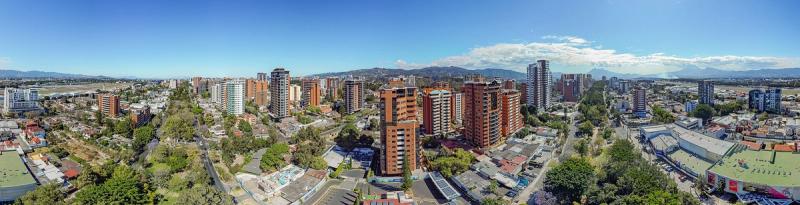
Guatemalan President Bernardo Arévalo declared a 30-day state of siege in the eastern departments of Zacapa and Izabal, on the Honduran border, on Saturday, 14 November 2026, after a series of armed attacks since late September that local reports put at between 15 and about 20 deaths, according to La Hora, Prensa Libre, the Associated Press and IBTimes. Congress has three days to ratify, modify or reject the decree, and Prensa Latina reported it planned to ratify it on Tuesday.
Key points
- The decree, Government Decree 8-2026, took effect on 15 November, La Hora reported, and suspends rights including freedom of movement and assembly and the requirement for judicial warrants; the reports differ on the full list of guarantees suspended.
- Interior Minister Marco Antonio Villeda and Defense Minister Henry Sáenz inspected operations on Monday and described a 30-day plan with prosecutors, checkpoints and patrols on border-area roads, AP reported; none of the reports gives arrest figures.
- Attacks cited include one on 27 September in Huité, Zacapa, that killed eight, and an ambush that killed congressman Julio César Portillo Paz and three police officers, dated 6 November by IBTimes and Prensa Libre and 7 November by AP.
Why was it declared?
Prensa Libre, citing EFE, tied the decree to a series of armed attacks since late September. AP said the target is groups linked to drug trafficking and illegal jade and gold mining, and reported that on 13 November five people were killed in Zacapa after an abduction, including the victim’s mother and two brothers. The death toll differs by outlet: at least 15 according to Prensa Latina, at least 17 according to La Hora and about 20 according to Prensa Libre. IBTimes and AP differ on how many Guatemalan clans the United States designated as terrorist on 13 November, with AP naming two.
What does the state of siege allow?
AP listed restrictions on movement and assembly, forceful dispersal of gatherings, and arrests and home entry without warrants; Prensa Libre listed movement, assembly and the warrant requirement; and IBTimes said five guarantees are suspended, exempting religious, cultural and sporting events. Villeda said the target is criminal groups, not honest residents, according to EFE. IBTimes reported the US Embassy restricted staff travel to both departments.
What about the army and Congress?
AP reported the army first described the Huité killings as a clash between criminal groups and then put 107 personnel at prosecutors’ disposal to check for involvement, and that prosecutors are investigating whether army actions were tied to detentions of suspected traffickers. Arévalo notified Congress President Luis Contreras under Articles 138 and 139. Prensa Latina said the plenary was due to consider the decree at 2 p.m. on Tuesday, that deputy Cornelio García would support it and that deputy Inés Castillo criticised the president for acting late; the outcome was not confirmed. La Hora said this is Arévalo’s second state of siege, after one on 18 January 2026.
Sources
- The Associated Press (via ABC News), 16 November 2026 News agency
- La Hora, 14 November 2026 News outlet
- Prensa Libre (EFE), 16 November 2026 News outlet
- Prensa Latina, 17 November 2026 News agency
- IBTimes México, 16 November 2026 News outlet
Also available inالعربية