EU and UK eye Brexit reset deals at Brussels summit
The EU and UK are expected to agree steps on food trade, emissions trading and youth mobility at a 20 November 2026 summit in Brussels; others remain unsettled.
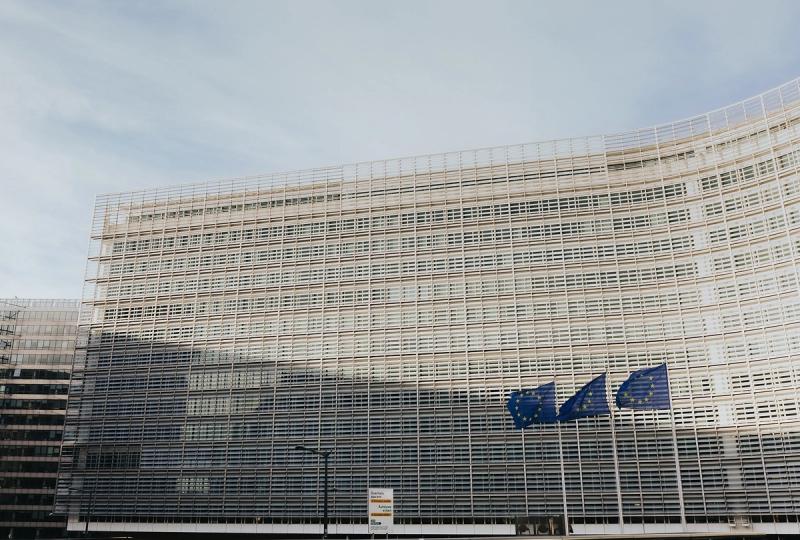
The European Union and the United Kingdom are expected to agree steps toward a closer relationship at their second summit, held in Brussels on 20 November 2026, with UK Prime Minister Andy Burnham meeting European Commission President Ursula von der Leyen and European Council President Antonio Costa. EU member states reportedly approved the package on 19 November, diplomats said, and the UK’s final sign-off was still needed, according to Free Malaysia Today. Update: the summit has since taken place, and the outcome is in our report on what was agreed.
Key points
- A leaked draft reported by Euronews would scrap border checks and certificates for “the vast majority” of animal and plant products from 1 March 2028, and link the two emissions trading systems.
- Under-30s would be able to live in each other’s territory for up to three years under a Youth Experience Scheme, with Euronews citing a possible cap of around 100,000 a side; the draft aims for the scheme to start in January 2030.
- Both sides commit to conclude electricity talks in 2027, and the EU dropped a demand that the UK suspend its deportation regime for foreign offenders.
What deals are on the table?
The draft covers agrifood trade rules, the link between the emissions trading systems, which would remove the need for carbon border levies between them, and the youth scheme. It also says the sides will “enhance exchanges on defence industrial issues”. The measures are described as “to be agreed”, not signed.
What is still unsettled?
Brussels wants a UK financial contribution to EU regional funds in return for the electricity deal. The draft offers two options on student fees, equal treatment or “significantly reduced” fees. France wants to limit British firms’ access to the EU’s SAFE defence-procurement programme, and Britain wants access to a “Made in Europe” scheme, on which no deal was reached. A late compromise reportedly gives UK officials a consultative role in EU rules, with no vote.
What did the leaders say?
Burnham said the approach is “not adversarial” and that Britain is “no longer burning bridges”, according to FMT, and that the UK would open a discussion with EU partners on its long-term relationship after the summit. EU envoy Maroš Šefčovič said the atmosphere is “very positive” but the talks are “very, very hard”. Keir Starmer’s red lines of no single market, customs union or freedom of movement still stand for this parliament.
Read also: Berlin: Europe says it is ready to join Russia peace talks · UK–EU deal: what Burnham agreed in Brussels
Sources
Also available inالعربية