Nations agree to more talks on AI “killer robots”
UN weapons-treaty talks agreed to spend two more years elaborating possible rules on autonomous weapons by 2028, without a commitment to a binding treaty.
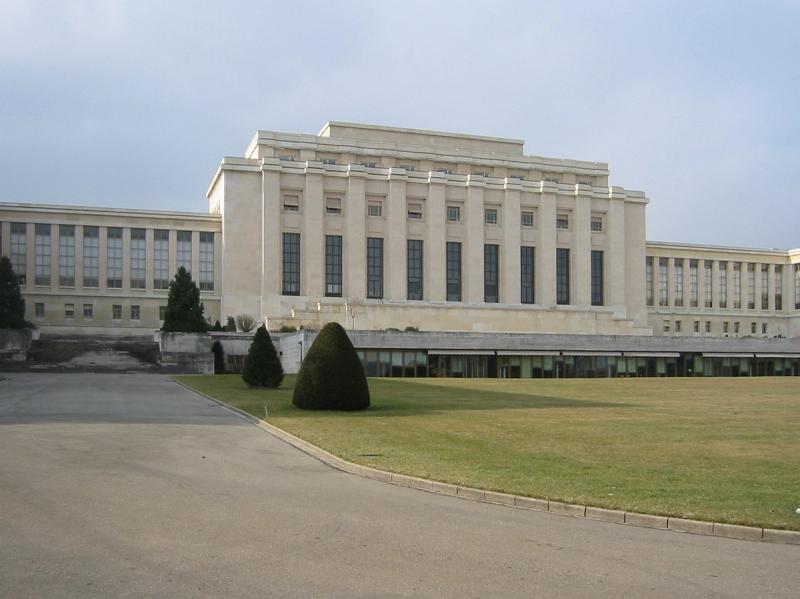
Countries at a United Nations conference in Geneva agreed early on 21 November to spend two more years working on possible rules for lethal autonomous weapons, often called killer robots, with a view to elaborating an agreement by 2028, according to AP and Swissinfo. They did not agree to launch treaty negotiations or settle whether any rules would be legally binding.
Key points
- The talks were the Seventh Review Conference of the UN Convention on Certain Conventional Weapons, which has 128 member states and decides by consensus, so there was no vote count.
- A bid by Brazil, Austria, Belgium, Ireland, Mexico, New Zealand and Panama to start negotiations on a rulebook fell short, AP reported.
- Campaigners called the mandate watered down, while the UN’s disarmament chief called it a significant achievement.
What was agreed?
Delegates agreed to extend talks by two years and to elaborate a possible accord on lethal autonomous weapons systems by 2028, AP reported after overnight negotiations. Swissinfo says government experts will keep discussing the elements and propose whether the work should lead to a legally binding treaty, concluding by 2028. The exact mandate text was not in the sources reviewed.
Who wanted what?
Nearly 100 countries spoke for a binding ban on fully autonomous weapons, Swissinfo reported. Before the conference, the United States proposed a five-year process towards a non-binding instrument, and Russia and Israel opposed binding rules, NPR and AFP reported. AP says activists accused military powers such as Russia and the United States of blocking stronger language. Secretary-General António Guterres had set 2026 as a deadline for launching negotiations.
How have countries voted elsewhere?
On 29 October the UN General Assembly’s First Committee approved a resolution on lethal autonomous weapons by 163 votes to 5, with 9 abstentions. Belarus, North Korea, Israel, Russia and the United States voted against. It was a committee vote, and no plenary vote was found.
What do the main voices say?
Izumi Nakamitsu, the UN disarmament chief, called the outcome a significant achievement and said it could be seen as a glass half full or half empty. The Stop Killer Robots campaign called the mandate watered down. The Red Cross and the pope are among those backing binding rules.
Sources
- AP (via KPBS) News agency
- Swissinfo News outlet
- UN Meetings Coverage News outlet
- AFP (via Manila Times) News agency
- NPR (via OPB) News outlet
Also available inالعربية