Canada Philippines free trade agreement: talks concluded
Carney and Marcos concluded talks on a Canada Philippines free trade agreement in Manila, to be signed in 2027; Carney says an ASEAN deal is nearly done.
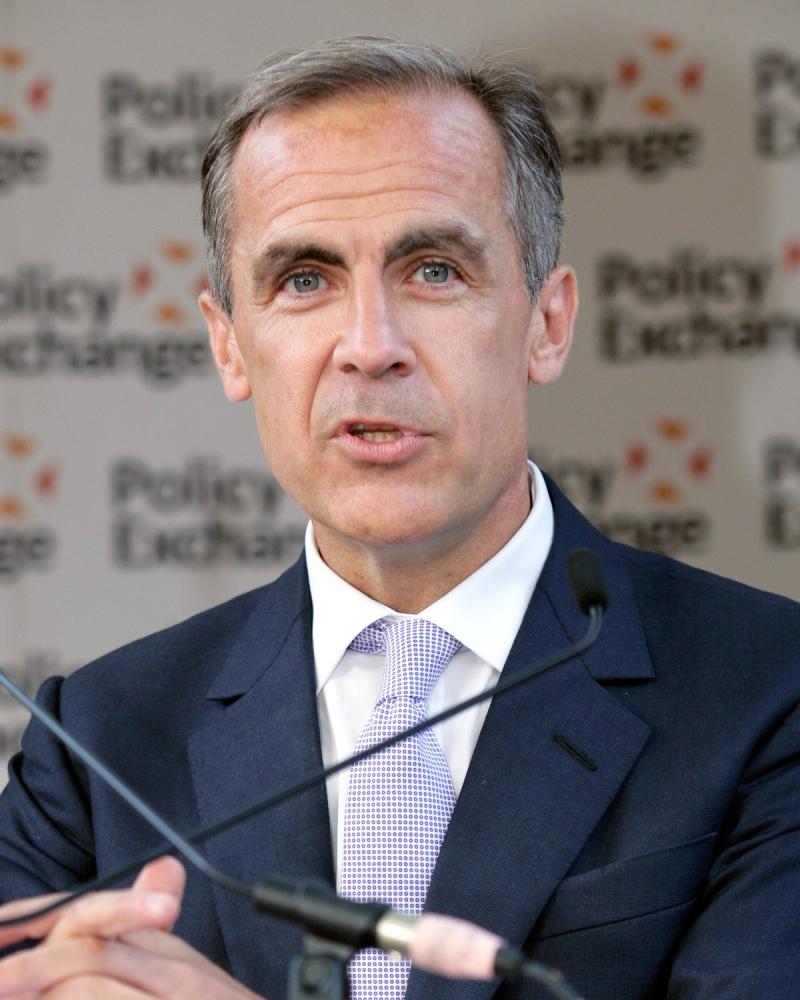
Canadian Prime Minister Mark Carney and Philippine President Ferdinand Marcos Jr. concluded negotiations on a bilateral free-trade agreement in Manila on Saturday, November 14, and signed a document formally ending the talks, according to Carney's office, The Canadian Press and The Globe and Mail. The Canada Philippines free trade agreement still has to be signed. Carney also said negotiations on a Canada–ASEAN free-trade agreement are substantially complete.
Key facts
- Canada and the Philippines concluded free-trade negotiations on November 14 and aim to sign the agreement in 2027.
- Carney said Canada has "substantially completed" negotiations with ASEAN.
- He expects Canada–Philippines trade to roughly triple within about a decade, to more than 10 billion Canadian dollars a year.
- Canada aims to double its exports to markets other than the United States by 2035.
- Canada–ASEAN trade was above 50 billion Canadian dollars last year.
What is in the Canada Philippines free trade agreement?
Carney and Marcos signed a document formally concluding the negotiations, and both sides aim to sign the agreement itself in 2027, according to Carney's office, The Canadian Press and The Globe and Mail. Carney said he expects trade between the two countries to roughly triple within about a decade, to more than 10 billion Canadian dollars a year.
In his remarks, Carney named agriculture, aerospace, artificial intelligence, forest products, mining and energy services as sectors set to gain. Talks were launched at the 2025 ASEAN summit in Kuala Lumpur and wrapped up in nine months, he said.
Global Affairs Canada says the launch was announced on October 27, 2025, and that the first negotiating round took place in Manila on February 18-20, 2026. Six negotiating tables met, covering goods, services, investment, the temporary movement of business people, intellectual property, and legal and institutional issues, according to the department's debrief for stakeholders.
Key numbers: how much do Canada and the Philippines trade?
- Bilateral merchandise trade was 3.4 billion Canadian dollars in 2025, according to The Canadian Press.
- Canadian merchandise exports to the Philippines totalled 1.1 billion dollars in 2025, including 229 million dollars of pork products, The Globe and Mail reported.
- Canada mainly sells mineral ores, meat, cereals, fertilisers and aircraft, and buys cooking oils, leather and rubber products, according to The Canadian Press.
- The Philippines has more than 110 million people, and close to one million people in Canada claim Filipino ancestry, The Globe and Mail said.
The ASEAN deal
"We have now substantially completed negotiations," Carney said of the ASEAN–Canada free-trade agreement, according to the transcript published by his office; The Globe and Mail reported that Canada aims to sign it and bring it into force next year. Carney's office said the deal could raise Canadian exports by more than 2 billion Canadian dollars. Canada–ASEAN trade exceeded 50 billion Canadian dollars last year, according to Carney's office and The Canadian Press, which gave a figure of 52.3 billion.
Carney said the deal would add more than 1.5 billion dollars to Canada's economy and support 14,000 jobs, and would be ASEAN's first trade agreement as a bloc with a partner outside the region. It would cover ASEAN members not already linked to Canada through a bilateral deal or the Trans-Pacific trade pact known as the CPTPP. ASEAN now has 11 members and nearly 700 million people.
How did we get here?
Canada and ASEAN agreed to launch talks in November 2021, after exploratory discussions that began in 2017, according to Global Affairs Canada. Canada already had preferential access to Vietnam and Singapore through the CPTPP. Carney said the ASEAN talks had stalled when his government took office.
A bilateral deal with the Philippines had been discussed since 2015, The Canadian Press reported. In July 2026, Carney and Marcos launched a strategic partnership covering trade, energy, defence and tourism in Vancouver, and set the end of 2026 as the target for both free-trade deals, according to Carney's office. Security ties have grown too: Carney said a visiting forces agreement has been ratified and an agreement on sharing sensitive information was launched on November 14.
Why it matters
Carney has set a goal of doubling exports to markets other than the United States by 2035, according to his office and The Canadian Press. He said nearly one in three Canadian export dollars now comes from outside the US, the highest share in 40 years. The talks were concluded on the sidelines of the ASEAN summit in Manila; see ASEAN summit opens in Manila.
Canada still relies heavily on its neighbour: merchandise exports to the US were above 560 billion dollars in 2025, more than 70 percent of the total, The Globe and Mail noted. If finalised, the two Asian deals would join agreements with Indonesia, the United Arab Emirates and Ecuador concluded by Carney's government. ASEAN members have also just signed their own digital economy agreement.
What is still unclear
Accounts of the ASEAN talks differ: Carney's office describes them as substantially completed or concluded, while The Canadian Press said Canada is still pursuing a deal. The Globe and Mail reported concerns from Canada's meat industry about a planned Philippine pork import ban.
According to The Globe and Mail, the Philippines plans a 60-day suspension of foreign pork imports from later in November, along with higher tariffs, and the Canadian Meat Council understands Canada will not be exempt. During consultations, civil society groups raised concerns about the Philippines' record on the environment, labour and human rights, The Canadian Press reported.
Frequently asked questions
Has Canada signed a free-trade agreement with the Philippines?
Negotiations were concluded on November 14, 2026. Both sides aim to sign the agreement in 2027.
What about a Canada–ASEAN deal?
Carney says negotiations are substantially complete, with signature targeted for next year.
Why is Canada pursuing these deals?
To diversify trade: Carney aims to double exports to markets other than the United States by 2035.
Photo: Policy Exchange, licence CC BY 2.0.
Sources
- Prime Minister of Canada: remarks in Manila Official or original
- The Canadian Press, via Global News News agency
- The Globe and Mail News outlet
- Prime Minister of Canada: new partnerships with the Philippines (July 2, 2026) Official or original
- Global Affairs Canada: first Canada-Philippines FTA negotiating round debrief Official or original
- Global Affairs Canada: objectives for Canada-ASEAN FTA negotiations Official or original
Also available inالعربية